Clean Cities, Strong Communities: Why Exterior Maintenance Matters in Urban Policy
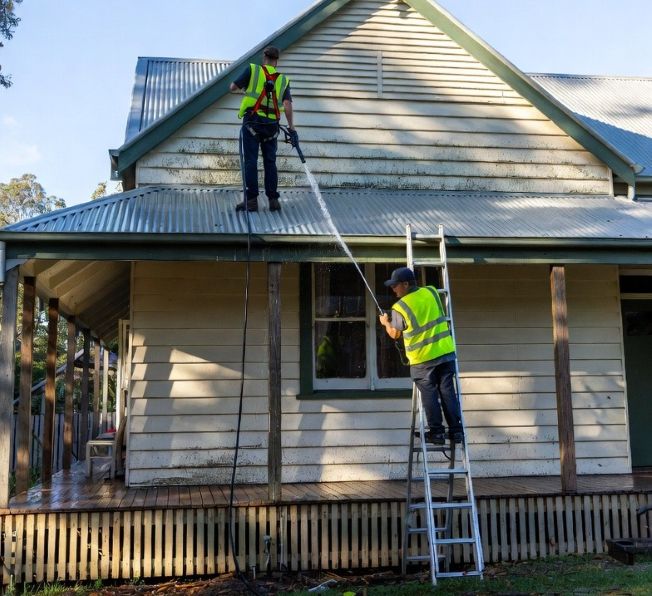
Well-kept streets influence how people feel about where they live. According to the United Nations Human Settlements Programme (UN-Habitat), the appearance and maintenance of residential areas strongly shape community pride, public safety perception, and neighborhood wellbeing. A tidy home might seem like a private matter, but across a city, those small choices add up to something bigger, a shared environment that reflects how much residents care about their surroundings.
Urban planners often talk about parks, bike lanes, and public transport. Important things, of course. Yet everyday houses quietly shape the visual rhythm of a city. In Brisbane, many homeowners turn to services like exterior house washing Brisbane to keep façades free from grime, algae, and mould. The service may sound like a weekend chore outsourced to professionals, but in a subtropical climate it becomes part of a wider urban maintenance culture.
Why the Condition of Homes Affects Entire Neighborhoods
Anyone who has walked down two different streets can see the difference instantly. One block has bright paint, clean driveways, trimmed hedges. The next has stained siding, green streaks creeping down walls, gutters holding leaves from last autumn.
The buildings themselves did not change the mood. The upkeep did.
Urban researchers have long observed that clean, maintained homes encourage residents to invest more time and care in their communities. The concept is often linked to the “Broken Windows Theory,” introduced by social scientists James Q. Wilson and George L. Kelling, which suggests that visible neglect can influence how people treat shared spaces.
When homes look maintained, people assume the neighborhood is active and cared for. When façades are covered with mildew and grime, the opposite message travels quickly.
Brisbane’s Climate Makes Exterior Care Essential
Brisbane is a beautiful city, but its weather can be stubborn. Warm temperatures, regular rainfall, and high humidity create ideal conditions for mold, algae, and lichen to grow on walls and roofs.
Give it a few months and a perfectly good exterior wall can look like it has been quietly colonized by a science experiment.
House exterior washing across Brisbane neighborhoods addresses this issue before it becomes a structural problem. Biological buildup traps moisture against surfaces, which can slowly damage paint, wood, and masonry. Over time, untreated growth can lead to repairs that cost far more than routine cleaning.
Urban maintenance, then, becomes preventive care. It protects buildings while preserving the character of the street.
Public Health and Environmental Hygiene
Mold and algae do more than affect appearance. Environmental health experts point out that biological growth can contribute to poor air quality around buildings. The World Health Organization has noted that damp environments allow microorganisms to flourish, sometimes triggering respiratory irritation or allergies for residents.
Regular exterior cleaning removes these organisms before they spread. Think of it as basic hygiene for buildings.
Professional soft washing methods help here. Instead of blasting surfaces with extreme pressure, technicians use controlled water flow and cleaning solutions designed to lift contaminants without damaging paint, siding, or roofing materials. It is gentler on homes and more sustainable for long-term maintenance.
Property Value and Community Confidence
Ask any real estate agent and they will probably say the same thing. First impressions matter. A lot.
When buyers explore a neighborhood, the visual environment quietly shapes their expectations about safety, care, and community pride. Clean homes create the sense that residents are invested in the area. Neglected exteriors can signal the opposite.
Local councils recognize this relationship. Many urban policies now encourage property upkeep through community programs, beautification campaigns, and maintenance guidelines.
In practical terms, small actions by individual homeowners support broader economic stability. Property values remain consistent. Streets feel welcoming. Visitors leave with a positive impression of the city.
One homeowner in Brisbane described the difference perfectly after scheduling a cleaning for the first time. “I thought I was just washing the house,” he joked. “Turns out I washed the whole street mood.”
He was only half kidding.
Exterior Maintenance as Civic Responsibility
Cities thrive when public infrastructure and private property work together. Governments maintain roads, parks, and utilities. Residents maintain homes, gardens, and façades. That balance reflects the deeper idea that civic systems function best when citizens cooperate with shared rules and responsibilities.
Discussions about how politics help people live together fairly and peacefully often highlight this partnership between public policy and individual action, where communities follow common standards that support order, fairness, and everyday wellbeing. In practice, that cooperation can be as simple as residents caring for their homes while cities maintain the public spaces around them. It is a quiet partnership that most people rarely think about.
When homeowners invest in exterior care, the results extend beyond their fences. Streets look brighter. Public health risks drop. Neighborhood identity strengthens. These are small contributions, yet they support long-term urban sustainability. Even routine upkeep such as exterior house washing Brisbane services plays a role in this shared ecosystem. Clean homes help create clean cities. And clean cities tend to nurture stronger communities.
Urban policy often focuses on grand projects and ambitious plans. Sometimes the real foundation of a healthy city starts with something simpler, a ladder, a hose, or a professional team washing away the quiet buildup of time. Turns out civic pride can begin right at the front wall.

 Politics And Journalism

